


Nextgen Ventures 3 is live – backing the next generation of medtech and healthtech teams
Nextgen Ventures 3 is live: backing promising medtech and healthtech teams
Nextgen Ventures 3 is live.
Our third fund backs the next generation of early-stage medtech and healthtech teams with technologies that deliver real-world healthcare impact. With a first close of €28.5m, the fund will support up to 15 companies focused on unmet medical needs and the quadruple aim of healthcare.
Why this fund matters.
The Dutch medtech ecosystem is rich in innovation, from AI and genomics to robotics and advanced materials. Yet, reaching that one-in-a-lifetime succes and changing healthcare significantly is challenging. As such, many startups fail to reach patients due to complex regulation, reimbursement hurdles and a lack of specialized early-stage capital. Nextgen Ventures exists to bridge this gap. Since 2013, we have supported more than 20 teams, helping them overcome product, regulatory, commercialization and funding challenges.
How we create value.
Early-stage healthcare companies need more than capital. We work hands-on with founders, leveraging over 50 years of combined healthcare investment experience and a strong network. Our support spans strategy, financing, and access to partners, helping teams move faster, reach key milestones and build solutions that truly improve care.
The impact we deliver.
Our portfolio shows that meaningful healthcare impact and scalable businesses go hand in hand. From improving clinical workflows and enabling home-based care to restoring quality of life and preventing amputations, our companies deliver better outcomes, better experiences and lower costs of care.
If you’re building the future of healthcare and looking for a committed, hands-on partner, we’d love to connect.



That's a wrap for 2025: have a look at our H2 investment highlights
End-year check-in: our investments and other noteworthy news
As we reached the end of 2025, we happily share our investment activities once more. This includes promising new portfolio additions, several growth financings and achieved milestones for our portfolio companies.


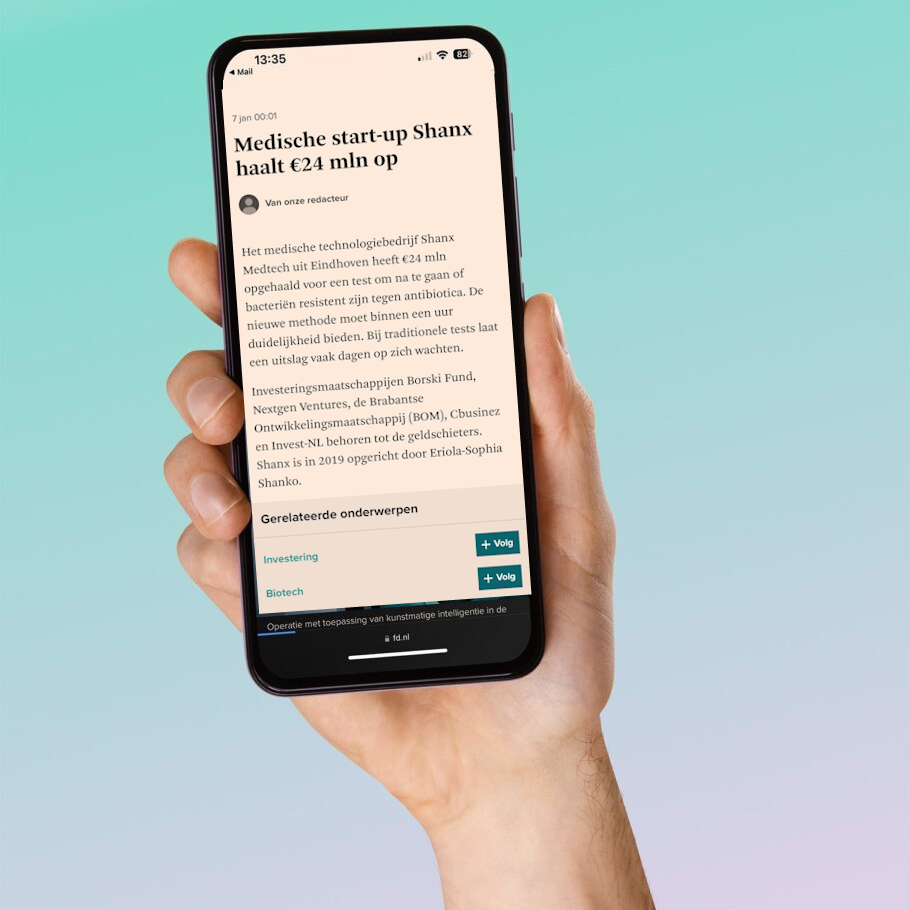
NXG in the FD: 'medical startup ShanX raises €24m’

NXG in the FD: 'Why medical startups run out of money'
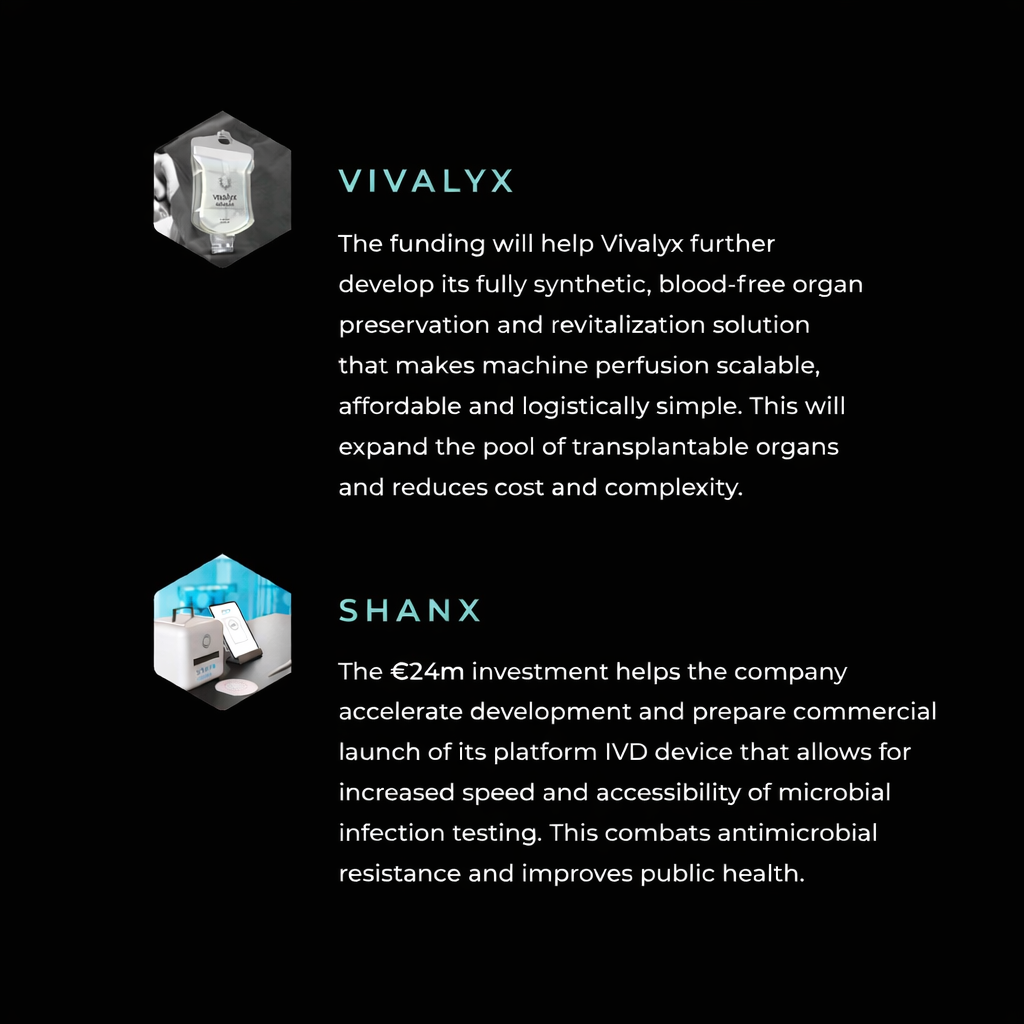
€24 million investment for Eindhoven-Based ShanX
The medical technology company ShanX Medtech from Eindhoven has raised €24 million for a test designed to determine whether bacteria are resistant to antibiotics. The new method is expected to deliver results within one hour, whereas traditional tests often take several days to produce an outcome. Read the article here and get our further perspective on the ShanX Medtech portfolio page.
How Attendi, IFOZ, Thebe and Nextgen Ventures are scaling the use of AI in long-term care

How Attendi, IFOZ, Thebe and Nextgen Ventures are scaling the use of AI in long-term care
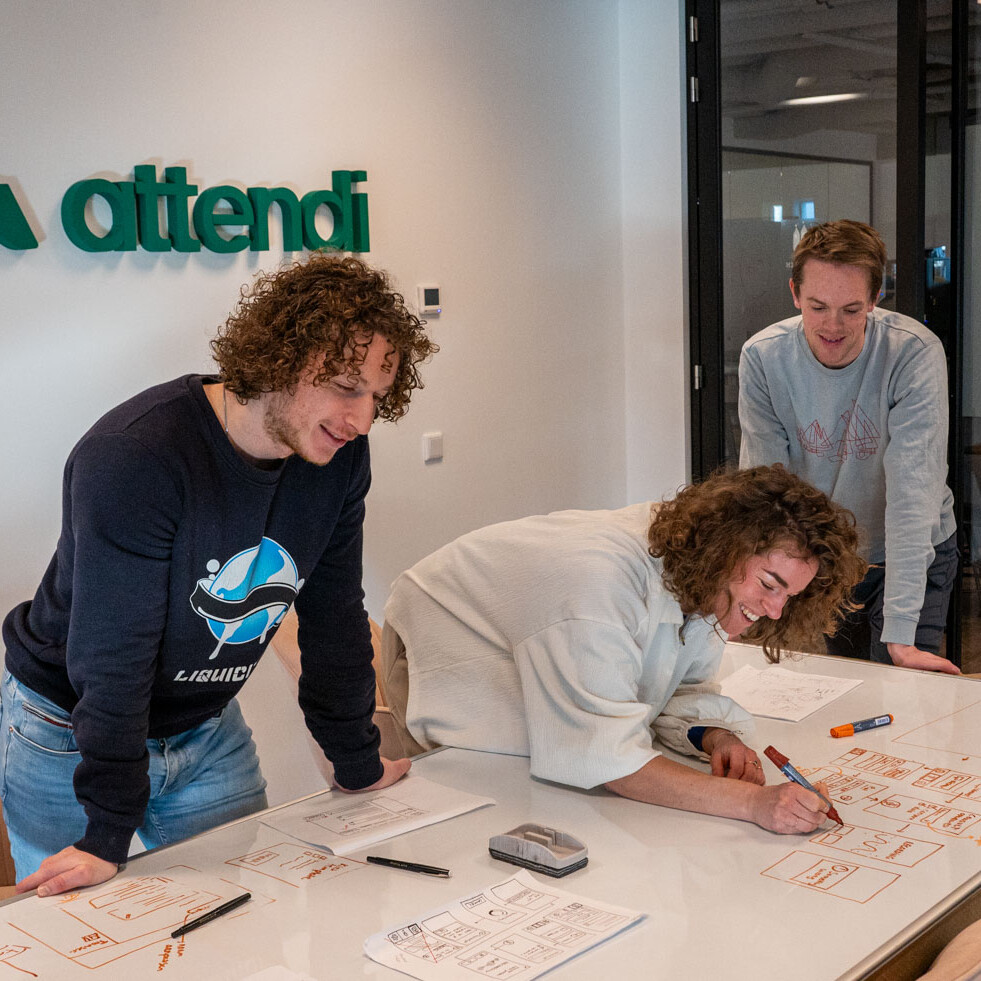
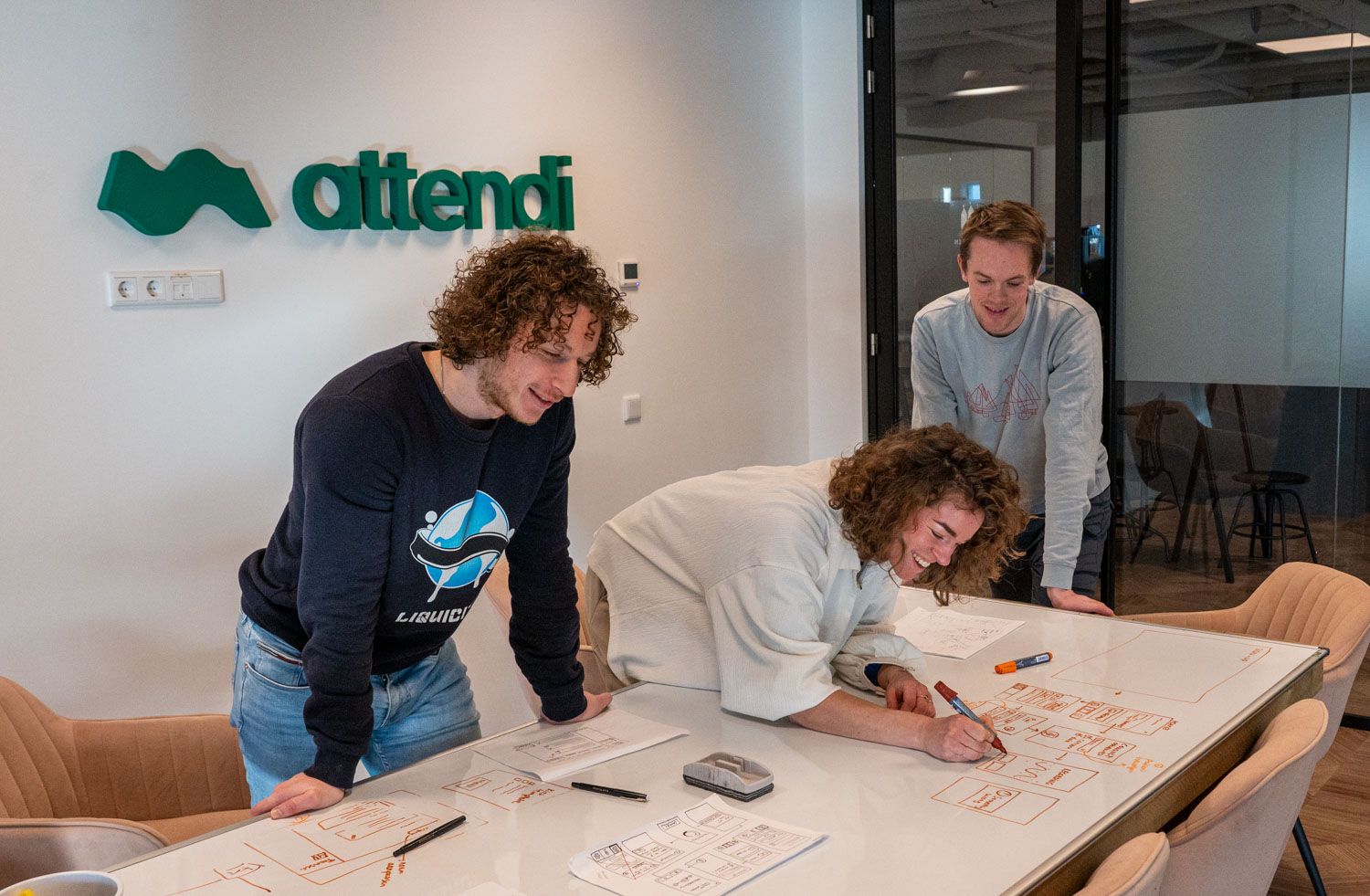
We’re turning screen time into client time.” With that single sentence, Diederik de Rave (Attendi) captures what makes the collaboration between Thebe, IFOZ, Nextgen Ventures and Attendi so powerful. This isn’t just another tech innovation. It brings people closer instead of pushing them apart, resulting in more real attention for the client. Attendi’s voice-driven reporting tool makes documentation faster, easier and more human. What truly sets this project apart is how the technology is developed and delivered: in close partnership with care providers, supported by mission-driven investors and seamlessly integrated into everyday care. This is scalable AI, and it’s only the beginning.
From pilot to practice: scaling AI in real-world care
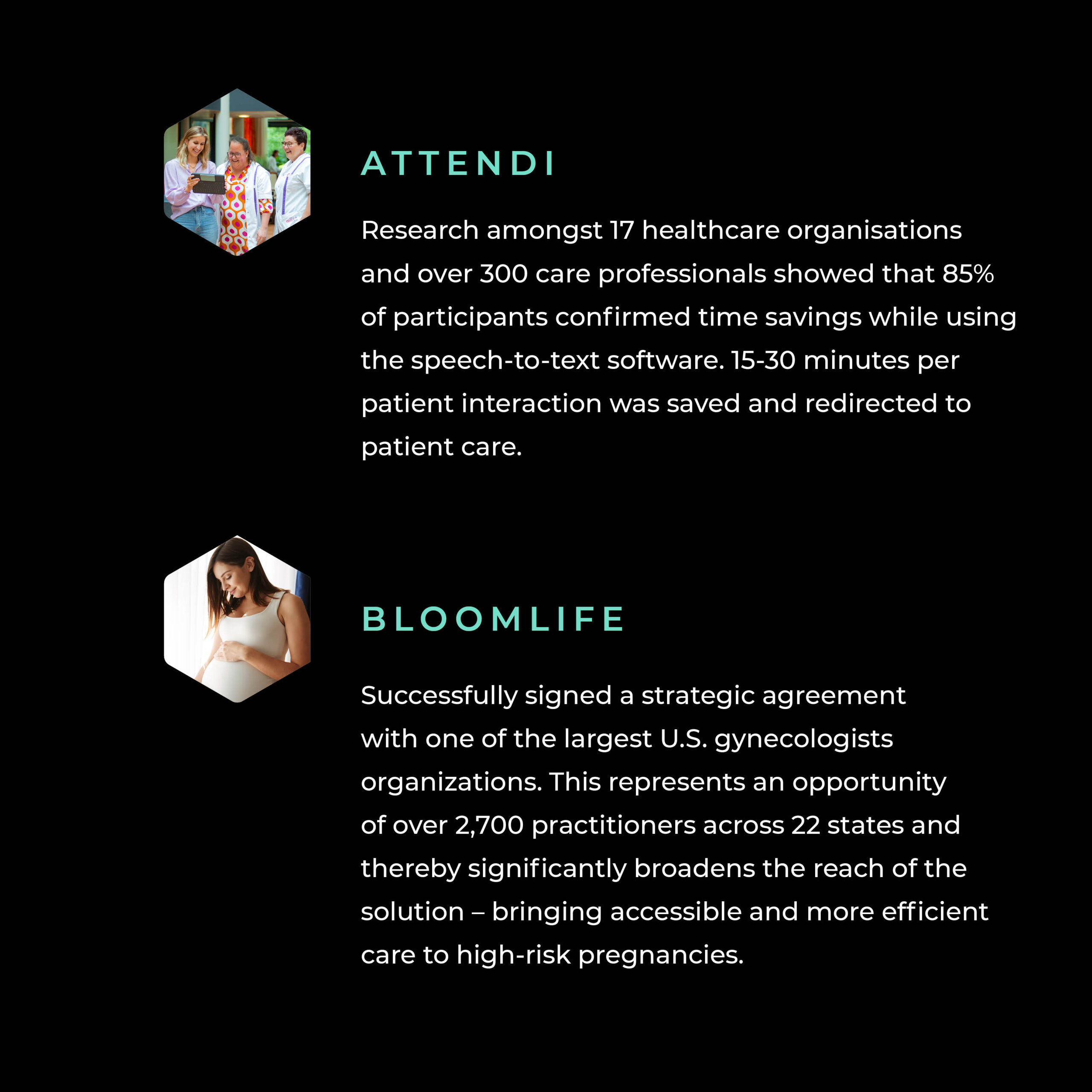
AI in healthcare often sounds like something for the future. But for many care organizations in the Netherlands, it’s already part of daily routines, thanks to Attendi’s voice-driven reporting solution. Today, over 180 care providers are using the tool, saving a combined 20,000 hours every month.
“The impact is tangible. Not just in numbers, but in how care professionals experience their work,” Roel Dekkers explains (Nextgen Ventures). “Attendi offers an inviting proposition: intuitive to use, natural in language and focused on easing workload from day one.”
More time saved, more job satisfaction
Care professionals no longer have to type up their reports later in the office. Instead, they speak them out loud during or right after client visits. In their own words, at their own pace. The software automatically turns their speech into a well-structured report, complete with punctuation and paragraphs. And it works, says Diederik de Rave: “This is no longer a pilot. This is mature technology that truly moves care forward.”
Attendi is designed to support the human-to-human interaction that lies at the heart of care work. Instead of looking at a screen and typing, caregivers can simply speak. No complicated steps or system switches. Just an app that does exactly what is needed, at the right moment, in the right patient file. For caregivers, it feels like a natural extension of how they already work.
At Thebe, no one wants to go back
One of the early adopters of voice-driven reporting was Thebe, a major elderly care provider in the Dutch province of Brabant. With 25 residential care locations and home care services in 19 municipalities, Thebe is one of the largest elderly care organizations in the Netherlands. Every day, over 6,000 staff members, including 1,500 volunteers, support tens of thousands of clients.
At Thebe, innovation is not a goal in itself, but a way to keep care both future-proof and deeply human. “If technology doesn’t work, people will stop using it,” according to Agnes Klaren, board member at Thebe. “But when it does work, like in this case, no one wants to go back. One day you find yourself thinking: how did we ever manage without it?”
The power of collaboration: IFOZ, Nextgen, Thebe and Attendi
Attendi’s rapid growth is not just the result of good technology. It’s built on something less common in the healthcare sector: a strong and equal partnership between care providers, investors and a tech company.
One of the key investors is IFOZ, the Innovation Fund for Elderly Care. It’s a collective fund founded by care organizations, with Thebe, Envida, Archipel, TanteLouise and Aafje among its key investors. Agnes Klaren explains: “We noticed that as care providers, we were all working on the same kinds of innovations, each in our own corner. That didn’t make sense. So we said: let’s do this smarter. Let’s join forces. Not compete, but co-invest.”
IFOZ brings more than just funding. Their involvement is hands-on and deeply connected to the realities of care. “We stay closely involved in the development process,” according to Agnes. “We help guide decisions, we make choices together. Attendi isn’t building something for us, they’re building it with us. And you can feel that in the product.”
Nextgen Ventures, an international investor specializing in medical technology and digital health, joined IFOZ in investing in Attendi, recognizing the strength of their collaboration. By combining their dedicated support — including a vast network and deep market insights — with the end-user expertise of the other investors, they created a powerful foundation for Attendi’s (international) success.
From the start, Attendi was committed to building technology that can scale nationally but feels personal and local. “We’ve always said we don’t want a solution developed at a distance,” Diederik de Rave adds. “We co-create with the people who use it every day.”
The result is a partnership where care goals, tech innovation and impact funding come together. Not through a top-down approach, but based on shared ownership and trust. As Agnes puts it, “We’re not working side by side. We’re working together. And that makes all the difference.”
Scaling smartly and continuing development
With the solid foundation of 180 care providers and tens of thousands of users, Attendi is now ready to scale further. This expansion isn’t just about adding more organizations, but also about enhancing functionality. The tool is now being tested and rolled out within the fields of disability care (GHZ) and mental healthcare (GGZ) in The Netherlands.
The technology evolves alongside real-world practices. “We started with: you speak, we write,” explains Diederik de Rave. “The next step is: you have a conversation, we listen and summarize. And eventually: we think along with you.”
A strong example of this in action is how Thebe now uses Attendi to record and summarize intake conversations in district nursing. While the healthcare professional focuses fully on the client, Attendi captures the conversation and structures the notes according to the OMAHA intake model (a widely used framework in community nursing that organizes client information across physical, psychosocial, behavioral and environmental domains). The result: complete, consistent documentation and more attention for the person behind the care request.
Agnes Klaren observes the impact daily: “The AI understands the language of healthcare. You can tell by the quality of the reports and the enthusiasm of the staff. They want to work with it, and that’s the best form of adoption.”
From resistance to enthusiasm
Good technology is one thing. Getting the staff on board is quite another. That’s why Thebe didn’t just invest in Attendi, but also in a careful change process. With innovation boosters, staff members who were the first to try the tool, and digital coaches who supported their colleagues with digital skills, a movement grew from within.
“We started small,” says Agnes Klaren. “With people who believed in it and were willing to try. They then brought their teams on board, and it spread like wildfire.”
At the same time, Thebe consistently emphasized the ‘why’ of the change. “When you’ve worked the same way for twenty years, a new method can feel like something ‘imposed’ on you. That’s why we keep showing: we’re doing this to make your work easier and more enjoyable.”
This strategy works. Employees now report directly with the client, not later in the office. And the technology doesn’t feel like ‘a system’, but rather like a colleague who is there to help. Agnes adds, “Especially with the SOAP tool, you can see the growing enthusiasm. The AI creates better reports than people would write themselves. That builds trust and saves time.”
Driving impact together
Attendi’s development doesn’t follow the traditional model of “supplier builds, customer uses.” Instead, care organizations, investors and developers work together to shape the roadmap. Features are prioritized based on real value and actual needs on the work floor.
“The starting point is always: what does care need, and how can we contribute to that?” explains Diederik de Rave. “Because care providers have been involved from the very beginning, we only build what has real support. And with everyone at the table, from team leads to privacy officers, we can move quickly and in the right direction.”
A new joint investment
In 2025, IFOZ and Nextgen Ventures will make a new joint investment in Attendi. “This is more than funding. It’s a shared commitment,” notes Roel Dekkers. “We invest in technology that is scalable, supported in the field and delivers tangible results. Attendi is a textbook example of that.”
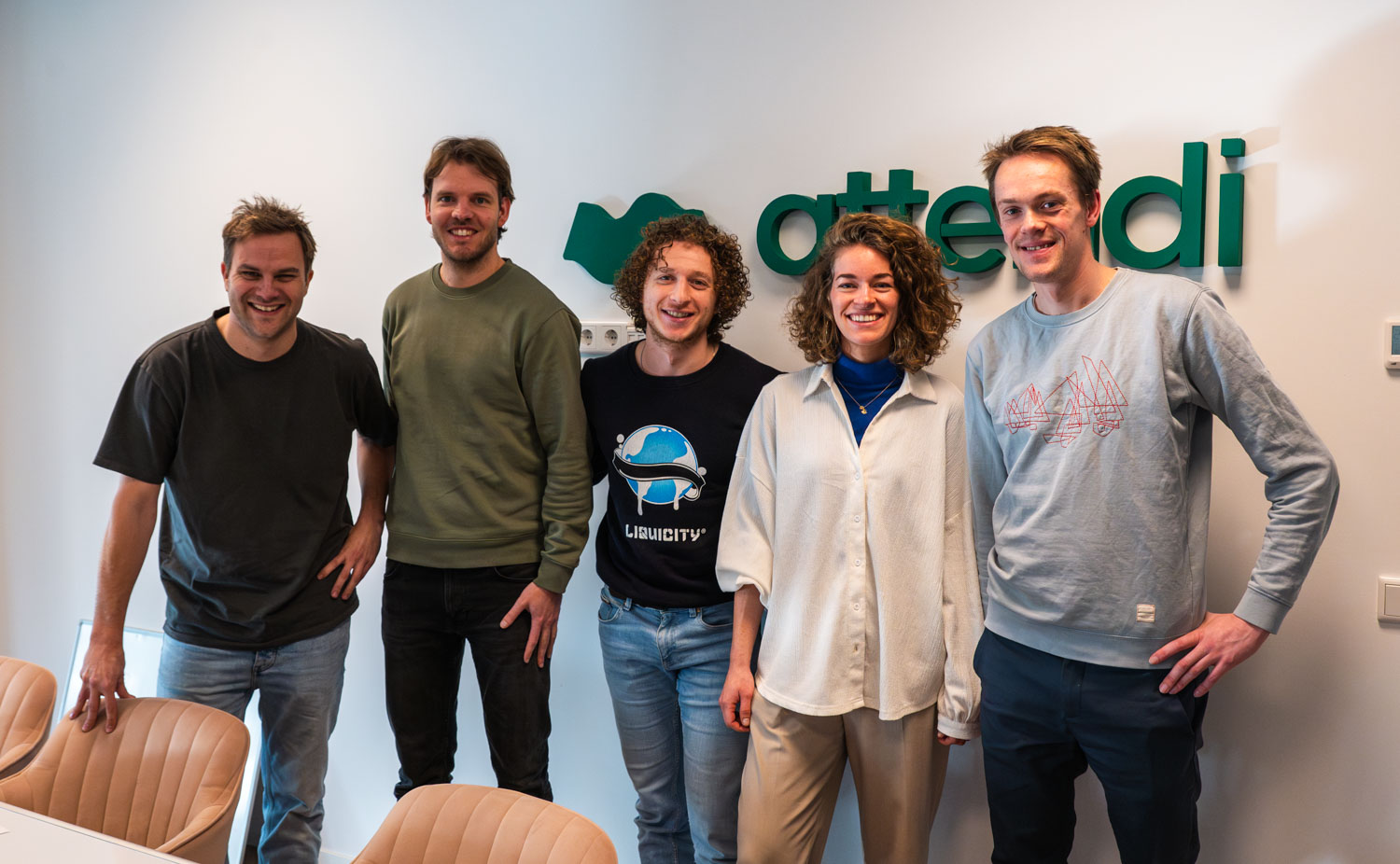
Meanwhile, the team behind Attendi is growing steadily. The organization now includes 25 employees and places a strong focus on onboarding and customer success. Diederik puts it like this: “We’re not just building technology. We’re co-designing with health care organizations how to ensure adoption at scale.”
Looking ahead: beyond borders and beyond reporting
As Attendi continues to scale, the potential applications of its language model are growing as well. Roel Dekkers from Nextgen Ventures sees even broader opportunities: “Language and language models are not just a Dutch issue. Countries like Germany and France face the same challenges. A generic language model trained in the United States often misses the local nuance that is essential in healthcare. We believe those local differences will play a key role in adoption.”
Nextgen Ventures brings an international network of care providers, advisors and investors to the table. Several of its portfolio companies are already active abroad. “We see the same potential for Attendi,” Roel says. “A Dutch success story that can create real impact in other countries too.”
The ambition also goes beyond reporting alone. “Language models can do more than transcribe conversations. They can also help fill out forms, referrals or reimbursement documents faster and more accurately. The model does not just listen but can also suggest what is needed to get things right the first time. That creates even more time savings and reduces administrative stress for care professionals.”
What it delivers: time, quality and job satisfaction
While the future looks promising, the present already tells a powerful story. The collaboration between IFOZ (and Thebe being a key partner of IFOZ), Nextgen and Attendi has grown into much more than just a working innovation. Together, the participating care organizations now save over 20,000 hours of documentation time every month. That equals around 150 full-time positions, and it’s growing rapidly. But more important than the numbers is what that saved time allows: less screen time and more attention for the client.
At its core, care is about human connection, not paperwork. Agnes Klaren captures that perfectly:
“People choose to work in care because they want to connect with others, not because they love administration. Attendi helps to bring that original purpose back to the center.”
And that’s not just a nice idea, it’s something that scales across hundreds of care organizations, Attendi enables professionals to spend more time with clients and less on screens. It’s a result the entire partnership can be proud of.
Diederik de Rave adds to that: “We turn screen time into client time. Think of a caregiver who records a report while looking at the client and notices something important that would otherwise be missed. That’s the real win. Healthcare is about human to human connection, technology should respect that.”
The quality of reporting has also improved significantly. According to Agnes, “The new SOAP tool often generates better reports than professionals typically write themselves.. The enthusiasm about that is real. Staff see and feel the difference.”
And perhaps most importantly: the technology doesn’t get in the way. It fades into the background. Workload goes down, job satisfaction goes up and the human touch takes center stage again.
A hopeful message for the care sector
Voice-driven reporting through Attendi proves that AI in long-term care is no longer a distant vision. It is already established practice. The key to this responsible and fast-paced scaling lies in one thing: collaboration. Care providers who actively co-develop, investors who focus on social impact and a technology partner who listens closely to the field.
“This is just the beginning.” Diederik de Rave is clear about it. And for anyone who sees the energy and ambition of the people involved, it’s clear: that’s not just a promise. It’s a hopeful message for the future of care.

In the FD: 'Woundcare company Plasmacure receives €16m capital injection’
In the FD: 'Woundcare company Plasmacure receives €16m capital injection'
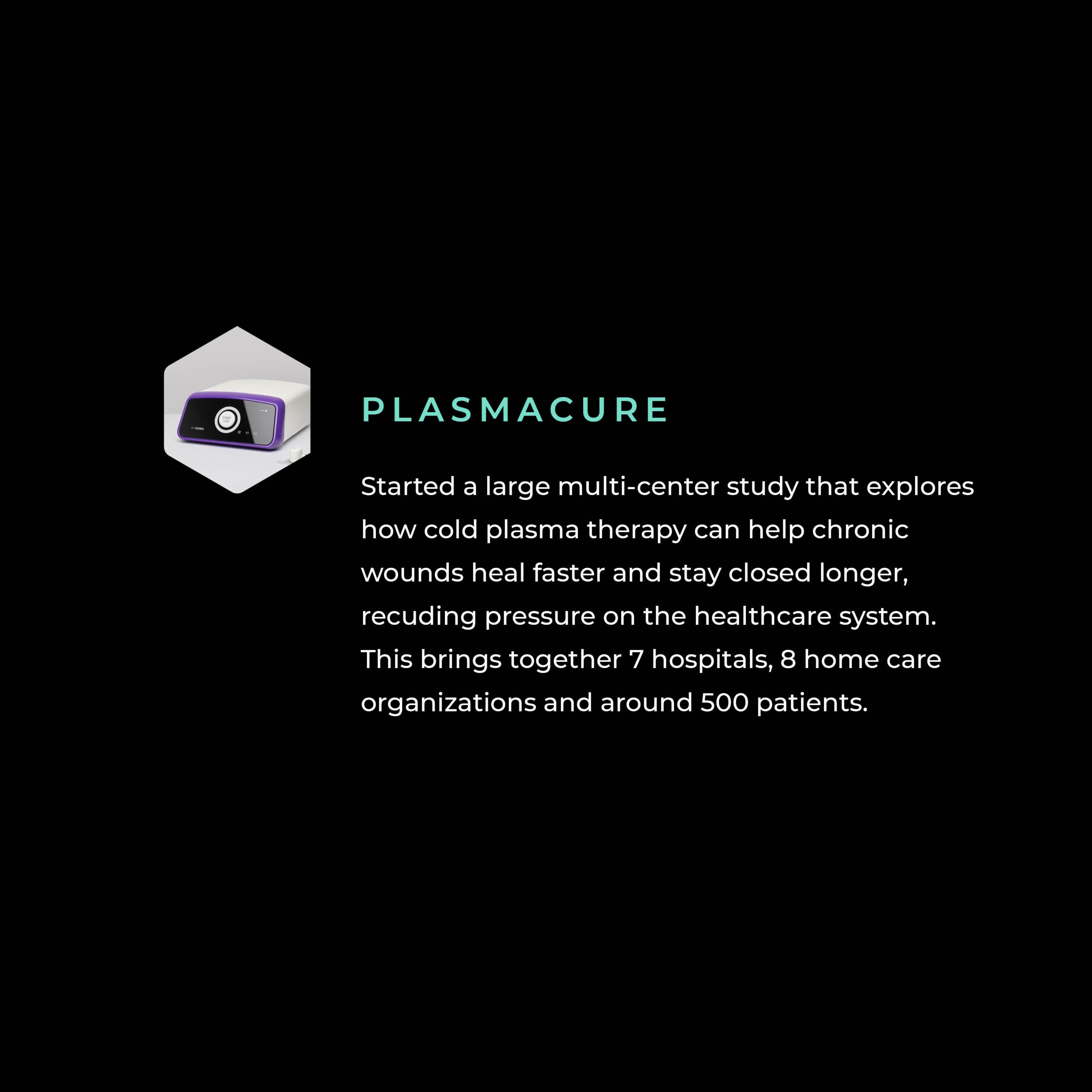
Plasmacure
The Nijmegen-based woundcare company received €16m investment in a round led by US-based distributor Venture Medical, OostNL, VGZ, Triade and Noaber was highlighted in Het Financieele Dagblad. The article a.o. demonstrates Plasmacure’s technological principle, future path for growth and what sets Plasoma apart as highlighted by Peter Haasjes:
“Its portability and suitability for home use.” In addition, the device operates using regular air, without the need for added noble gases. “That’s a competitive advantage — and Venture Medical recognizes it as such as well.”
Read the full article here.

NXG in the FD: 'Investment of €22m for a Utrecht-based company in the modernization of heart surgeries’
NXG in the FD: 'Why medical startups run out of money'
€22 Million Investment for Utrecht-Based Innovation in Heart Surgery
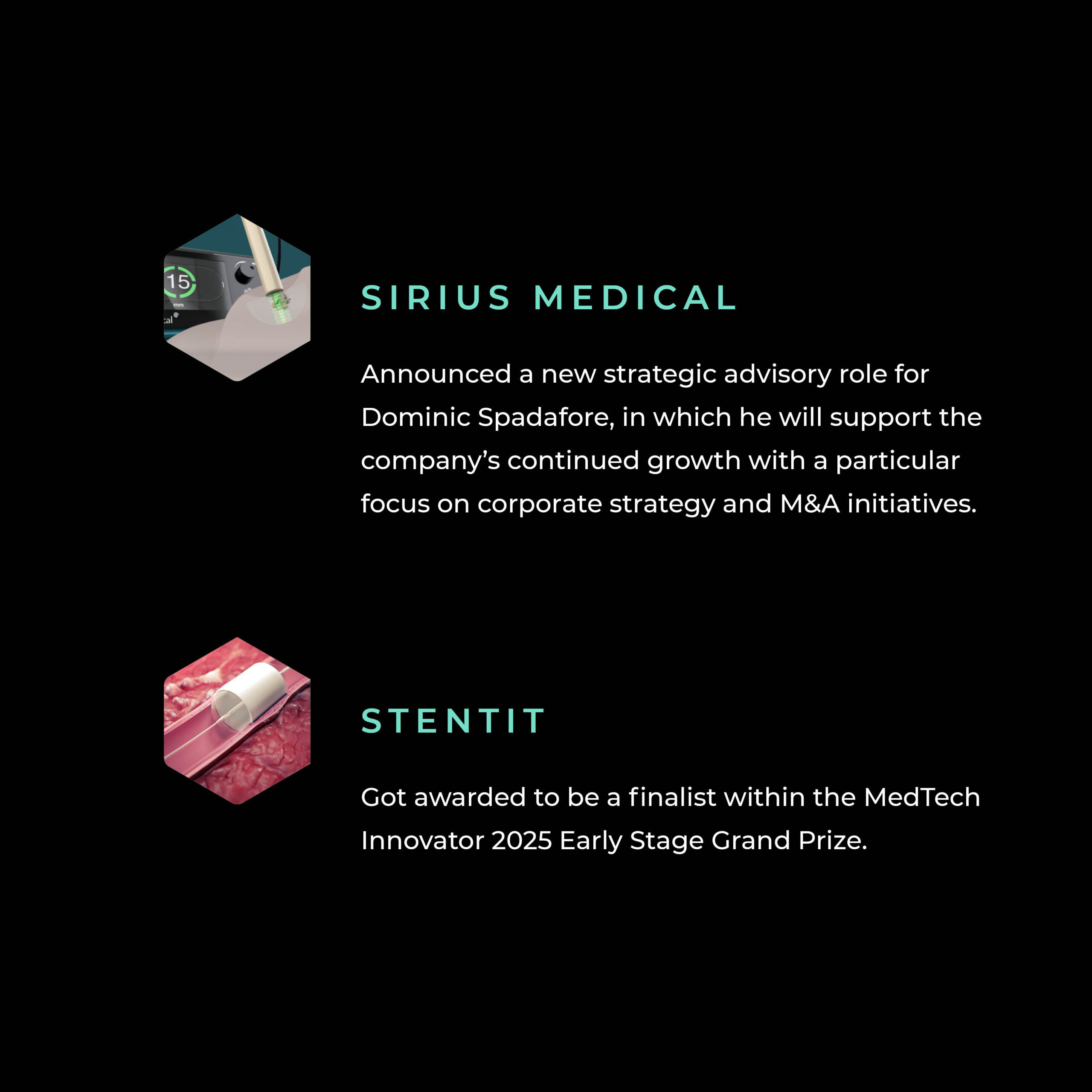
Could bypass surgery one day be performed without sawing open the breastbone? The Utrecht-based company AMT Medical is bringing that vision closer to reality. With a new €22 million investment, the company is accelerating the development and commercialization of its innovative technology — which uses a laser and a small clip instead of traditional sutures.
This method could enable minimally invasive heart bypass procedures through a small keyhole-sized incision between the ribs, potentially leading to significantly faster recovery times for patients.
We’re proud to have invested in AMT Medical back in 2017, supporting their mission from the early days. The recent funding round includes backing from healthcare entrepreneur Johan Bender, Invest-NL, Oost NL and the European Innovation Council next to current shareholders. The company is now preparing for CE certification in Europe and clinical trials in the U.S., potentially in partnership with the Mayo Clinic.
Interested to learn more? Read the full article here.

NXG in the FD: 'Why promising medical startups run out of money’

NXG in the FD: 'Why medical startups run out of money'
NXG in the FD: ‘Why medical startups run out of money’
The Financieele Dagblad highlights the funding challenges for Dutch medical startups that inhibits the startups to realize their potential. This requires us, as Peter Haasjes puts it in the article, to look for follow-up financing before we invest into a startup.
We note a mindset shift from gathering clinical data to later-stage market access and reimbursement, effectively resulting in increased interest for companies with revenue in the United States. The key reasons for this are:
1. The introduction of the MDR which makes obtaining a CE-mark for medical devices more difficult as the process is lengthy and less transparent compared to the FDA.
2. The differences in national reimbursement systems within the European Union.
3. The M&A landscape shift towards primarily acquiring revenue generating companies.
Despite the challenges, we see great potential as Europe has tremendous academic ecosystem that drives advancements in regenerative medicine, minimally invasive surgical technologies, and AI. These innovations promise to transform healthcare by extending life and improving efficiency.
Still, success requires a clear understanding of the reimbursement landscape, a strong ‘go-to-market’ strategy and solid plans for funding through sales or fundraising. We’re excited to engage with companies that align with this vision and discuss strategies to bring these technologies to life.
One thing is sure, the article drives engagement. Read the full article here.
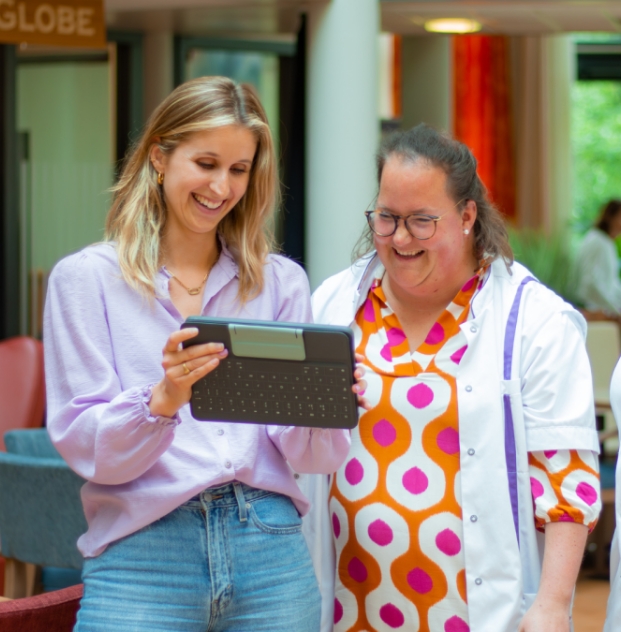
EenVandaag: Attendi saves up to 20 minutes, saving valuable time for healthcare professionals

EenVandaag: Attendi saves up to 20 minutes, saving valuable time of healthcare professionals
Attendi
Back in 2023, through our second fund, we invested in Attendi, an innovative company that decreases the administrative burden for healthcare professionals. This allows tem to relocate their valuable time to client care. EenVandaag showcased the benefits of the solution on national television, displaying a day-to-day use. View the fragment below.